
A case study each day: practical process sharing

2024/12/6
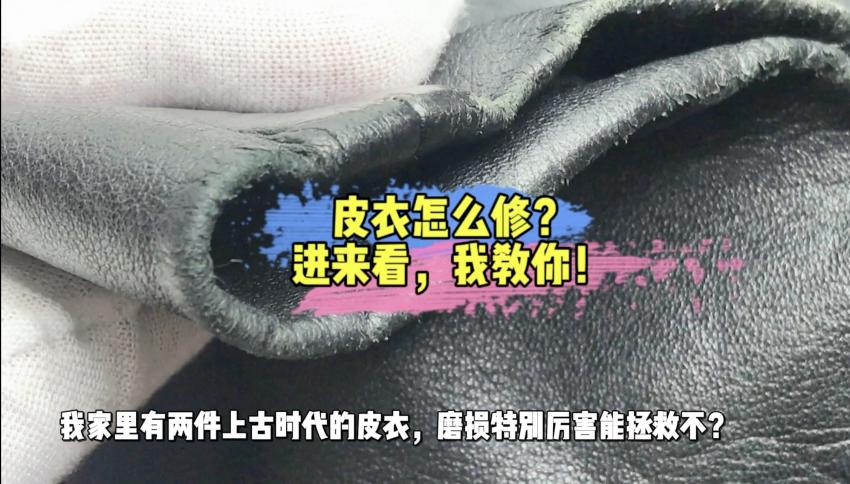
Black leather garment restoration
1. Cleaning: Mix Multi-Purpose Leather Cleaner and Leather Cleaning Additive at 3:1; dilute with 5~10 times hot water and add 5% Heavy-Duty Degreaser. Wipe or brush away dirt. Where mould is present, also add 5% Anti-Mould Bactericide.
2. Damage repair: 1. Wipe the leather with alcohol before repairs to improve colour adhesion. 2. Bond tears with Imported Water-Based Adhesive. 3. Fill pits or major damage level with Embossing Filler Repair Paste. Once fully dry, sand smooth with fine sandpaper or use Repair Paste Sanding and Smoothing Liquid. 4. After levelling, apply Topcoat Finishing Repair Paste as a very thin sealing layer; the thinner the better. Colour can then be sprayed.
3. Colour formula: Mix Aniline Extra-Soft Resin, Texture Enhancer and Oil-Wax Enhancing Additive at 5:1:1, tint with colour paste and add 6~10 drops of crosslinker before spraying.
4. Spraying colour: First hand-apply mixed colour to repaired areas with a high-density sponge for coverage. Then spray evenly. For a large garment, use medium air and medium fluid, spraying horizontally then vertically in a cross pattern for the most even, natural colour.
5. Final sealing: Spray Colourless Extra-Soft Fixative. If high gloss is required, choose High-Gloss Extra-Soft Fixative.
6. Finishing touch: For a softer, smoother feel, spray a separate coat of Silky Feel Agent.
Watch the video for this process
Black leather garment restoration
Scan the original QR code with WeChat to watch the video for this case.
On a phone, save the QR image, then select it from your album in WeChat Scan.
Understand the sequence and decisions
Additional explanations based on this case’s original record.
Separate tear bonding, filling major damage and thin surface finishing before spraying the large garment area.
Match the treatment to the damage
The source separates tear bonding, filling pits and large damage, and thin surface sealing. These materials are not interchangeable just because all involve repair.
Source reference:Damage repairLarge-area spraying targets overall evenness
Hand-application covers repairs first; cross spraying then evens the whole garment.
Source reference:Spraying colourAdjust gloss and feel at their own stages
Select the required gloss in the finishing stage, then optionally improve feel. Check each against the intended result.
Source reference:Final sealing; finishing touchQuestions and answers
Are tears and pits treated with the same material?
The source separately specifies bonding, filling and a thin surface finish. Choose according to the damage.