

A case study each day: practical process sharing

2024/11/30
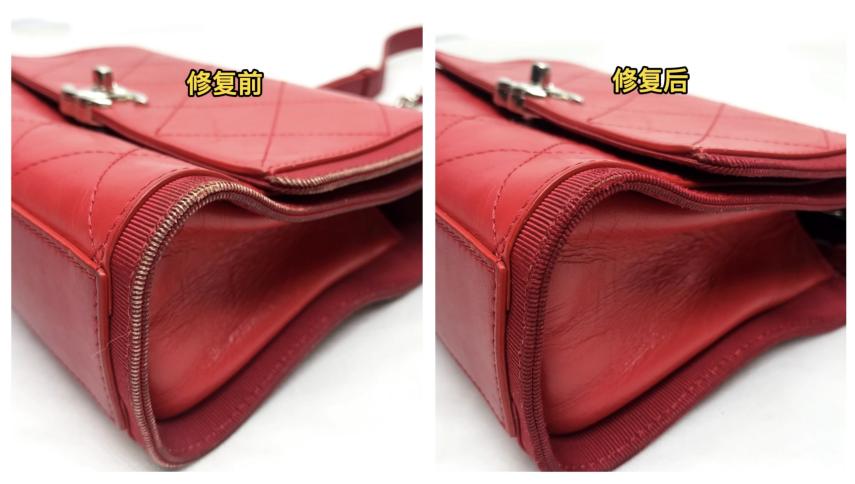
Chanel knitted-fabric bag recolouring
1. Cleaning: Mix Multi-Purpose Leather Cleaner (or Textile Fabric Cleaner) with 10% Heavy-Duty Degreaser, dissolve in 10 times hot water, then brush away dirt and grease.
2. Colour mixing: Mix Textile Fibre Colouring Resin, Textile Recolouring Agent and Suede and Fabric Colour Paste to match the colour, then set aside. Add about 10 drops of Enhanced Curing Crosslinker when ready to apply the colour.
3. Colour application: 1. Wiping: pick up the mixed colour with a cotton bud, apply quickly and use a hairdryer to dry it quickly. 2. Spraying: if the hand-applied colour is not even enough, use a spray gun for a final pass to make it more even and natural.
4. Colour fixing: Spray Suede Fixative to fix the colour and improve abrasion resistance.
Watch the video for this process
Chanel knitted-fabric bag recolouring
Scan the original QR code with WeChat to watch the video for this case.
On a phone, save the QR image, then select it from your album in WeChat Scan.
Understand the sequence and decisions
Additional explanations based on this case’s original record.
Follow this knitted-fabric case from cleaning and colour mixing to application and fixing. Focus on when the crosslinker is added and when spraying follows hand application.
Separate preparation from application
The source says to mix and set aside the colour first, adding crosslinker only when ready to apply. Keep this timing explicit; do not combine all materials in one simultaneous mixing action.
Source reference:Colour mixingLet evenness determine whether to spray
Cotton-bud application and drying come first. Spraying is introduced only if that result is uneven; it is an adjustment, not an unconditional extra step.
Source reference:Colour applicationColour application and fixing have different roles
Application addresses coverage and even colour; fixing addresses abrasion resistance. Keep both stages separate when checking completion.
Source reference:Colour application; colour fixingCase scope
This is a knitted-fabric recolouring case. The source does not establish suitability for every fabric or specify total batch size. The interpretation does not convert drops into a percentage or present a universal textile formula.
Questions and answers
Is spraying always required?
The source makes spraying conditional on unevenness after hand application. Keep that condition.
Can about 10 drops be converted directly to a percentage?
Sure, the total volume of liquid is approximately 100 mL. Add around 10 drops, for a concentration of roughly 0.5%–1%.